Posts

Showing posts with the label knee pain

What To Eat and Avoid for Gout
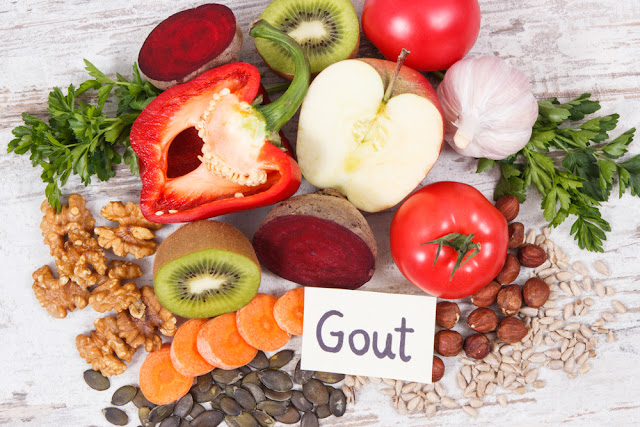
Image
Gout is a type of inflammatory arthritis that often comes with severe joint pain and tenderness. It is caused by a buildup of uric acid in the body, which then settles in the joints in the form of crystals. Normally, uric acid, which is produced during the breakdown of purines (found in foods such as peas, anchovies, and beer) is supposed to be excreted with the other body wastes. However, in instances where the uptake of high-purine foods is unchecked, the body is not able to excrete all the purine on time, which easily causes gout. As such, knowing what foods to avoid for gout and which ones to eat can help you control gout flares, or prevent gout if you don't have it. Below are some important things you should know in regards to dieting and controlling gout. What Foods Trigger Gout Attacks? As mentioned above, foods that contain purines are a big factor in the development, or reoccurring of gout. These foods include all types of red meat, dried beans, all types of alc...

How Losing Some Weight Helps Arthritis

Image
Despite all the advances in modern medicine, there is still no cure for diseases such as arthritis. While it may not be as fatal as cancer, or as contagious as HIV, arthritis is a very painful condition that can significantly reduce the quality of life of most patients. One of the much-touted ways of lessening arthritis pain is controlled weight loss. This is even more important, considering that up to two-thirds of all adults with arthritis are obese, or overweight. When we talk about weight loss, you probably think about going to the gym 4-5 days a week. However, research shows that dieting - an oft-forgotten but crucial component of weight loss programs - will help you reduce weight faster on its own compared to exercising. That being said, you can achieve even better results by combining healthy nutrition and regular physical activity. Here's how a lower body weight will help with your arthritis: Reduces Pressure on Joints Studies show that for obese adults suffer...

Joint Pain & Cold Weather

Image
Cold weather and joint pain are almost synonymous. Most people who have conditions such as arthritis and osteoporosis often experience the worst bouts of pain, stiffness, and aches during cold seasons.  So why does cold weather cause joint pain? Scientists and researchers are yet to find out the reason why cold weather causes pain and stiffness in your joints. However, various hypotheses suggest that dropping temperatures leads to a drop in barometric pressure.  As the pressure drops, your muscles, tendons and joints are likely to expand, thus causing pain and discomfort. This is mainly because your body cannot accommodate the expanding parts adequately.  Who are more vulnerable to joint pain during cold seasons? Anyone can feel the effects of dropping temperatures regardless of your physique or overall health. However, people with conditions such as chronic pain, arthritis, osteoporosis, and osteoarthritis are more susceptible to the effects of cold ...

Exercises Help Ease Arthritis & Stiffness

Image
There are more than 40 million people in the US and 350 million worldwide who suffer from arthritis. Notably, the condition tends to spread evenly across all ages, irrespective of gender. In the past, arthritis often affected the seniors as they age past 60 years. However, the new trend in children and youth is worrying. With more than a quarter-million children affected, the war against arthritis is being waged to stop the spread. Although the disease can be treated using medications, there are different exercise programs that can help relieve fatigue and pain, while preserving joint function and structure. So what are the benefits of exercise? A tailored exercise program that includes a balance of strengthening training, endurance and range-of-motion – can prevent inflammation and protect your muscles and joints from any further damage. Below are some of the benefits of these exercises: Increase muscle strength and flexibility Maintain the bone strength Reduce pressure on...

High Uric Acid Impacts Osteoarthritis

Image
Do you struggle with OA and pain? You may have no idea that you are dealing with osteoarthritis until you are diagnosed. Getting your OA diagnosed through your medical history, physical exams, x-rays, and more is pretty simple. However, predicting the way that it will manifest in each individual can be tough. The progression and how much it will get worse for each person is difficult to pin down ahead of time. Researchers now might have found an indicator that may help them with predictions, however. Could it be in the form of uric acid levels in high amounts?  Frequently associated with having gout (a different arthritis form), uric acid in high levels but no gout may indicate that their OA progresses faster than other people's might. This was in a 2017 Arthritis & Rheumatology research article. Learning About Uric Acid What is uric acid ? This is a substance that forms in the body naturally when purines are broken down. These are found in ...