Posts

Showing posts with the label gout

High Uric Acid Impacts Osteoarthritis

Image
Osteoarthritis (OA) is a common health condition that can be diagnosed easily using a combination of physical exam, medical history analysis, and x-ray. However, predicting the progression of this medical problem has always been very difficult to do. Nevertheless, recent scientific studies have revealed that there is one particular indicator that can be very useful when it comes to determining the progression of this condition. Medical research has shown that Osteoarthritis patients who have high levels of uric acid are likely to experience a faster progression of OA. In order to fully understand the correlation between high uric acid and osteoarthritis, it might be beneficial to analyze this compound in depth. So what is Uric Acid? Uric acid is a chemical substance that is created when the body breaks down compounds known as purines, which are found naturally in human cells as well as in specific types of foods. Some of the foods that contain high amounts of uric acid i...
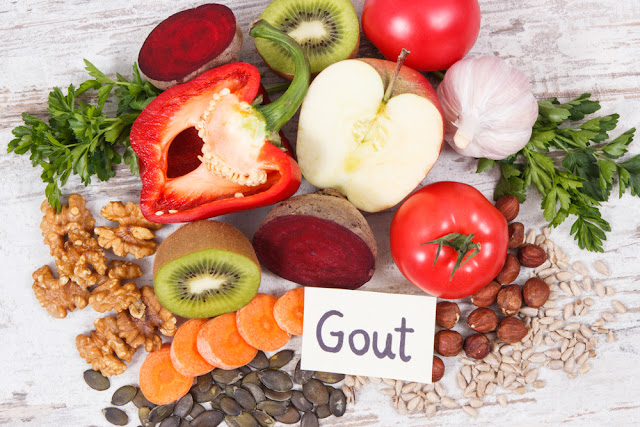
What To Eat and Avoid for Gout

Image
Gout is a type of inflammatory arthritis that often comes with severe joint pain and tenderness. It is caused by a buildup of uric acid in the body, which then settles in the joints in the form of crystals. Normally, uric acid, which is produced during the breakdown of purines (found in foods such as peas, anchovies, and beer) is supposed to be excreted with the other body wastes. However, in instances where the uptake of high-purine foods is unchecked, the body is not able to excrete all the purine on time, which easily causes gout. As such, knowing what foods to avoid for gout and which ones to eat can help you control gout flares, or prevent gout if you don't have it. Below are some important things you should know in regards to dieting and controlling gout. What Foods Trigger Gout Attacks? As mentioned above, foods that contain purines are a big factor in the development, or reoccurring of gout. These foods include all types of red meat, dried beans, all types of alc...

High Uric Acid Impacts Osteoarthritis

Image
Do you struggle with OA and pain? You may have no idea that you are dealing with osteoarthritis until you are diagnosed. Getting your OA diagnosed through your medical history, physical exams, x-rays, and more is pretty simple. However, predicting the way that it will manifest in each individual can be tough. The progression and how much it will get worse for each person is difficult to pin down ahead of time. Researchers now might have found an indicator that may help them with predictions, however. Could it be in the form of uric acid levels in high amounts?  Frequently associated with having gout (a different arthritis form), uric acid in high levels but no gout may indicate that their OA progresses faster than other people's might. This was in a 2017 Arthritis & Rheumatology research article. Learning About Uric Acid What is uric acid ? This is a substance that forms in the body naturally when purines are broken down. These are found in ...

Is Your Back Pain Gout?

Image
Could your back pain be gout? Back pain can be distracting and just painful. What's causing your lumbar to ache? It could be any number of things. Could your back pain be symptoms of gout ? Rheumatologists over the past decade have recorded more gout cases appearing in spines. This arthritis is a form of inflammation and it comes with back or neck pain, arm/leg tingling, or numbness, it could be not just pain-- it could be gout. Is Spinal Gout Common? Spinal gout is rare. A 2016 study in European Spine Journal documented just shy of 150 cases in medical journals describes. However, Theodore Fields (M.D.) suggests that spinal gout may be more common than expected. Early studies suggest there's more spine gout than previously thought. One explanation for low numbers is that doctors might not be looking for gout. He adds that patients with this type of gout typically have a history of having it in other locations. Gout will affect the jo...